
Student systems that get it right. The first time.
Mindgrub Decision Engine connects your fragmented systems through one conversational interface, so students and staff get answers, not runarounds.
Where Decision Engine meets your biggest bottleneck.




Trusted By


Here's What Mindgrub Decision Engine Always Brings to Class
Higher education systems weren’t designed to talk to each other, which is why students and staff end up navigating separate portals for housing, billing, financial aid, registration, and grades.
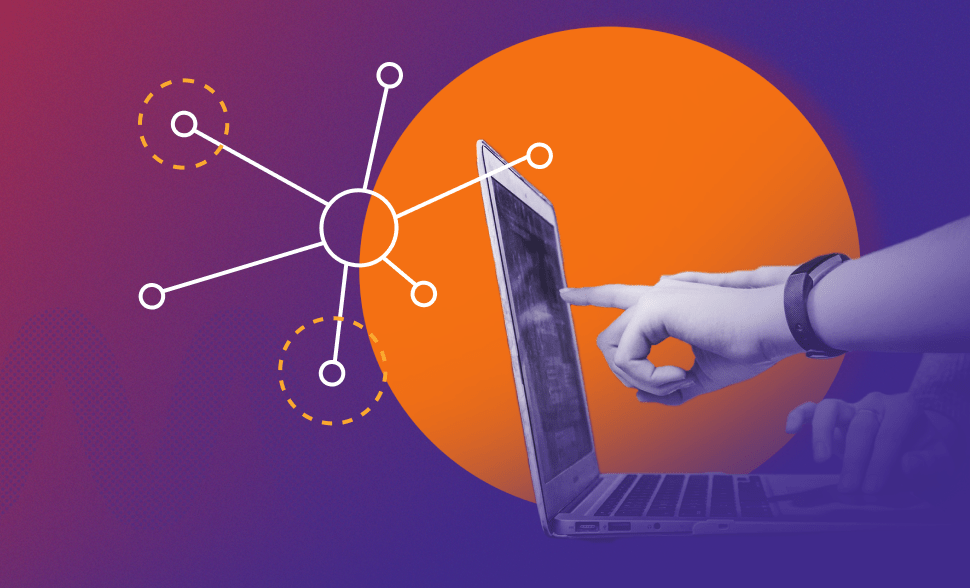
The Mindgrub Decision Engine provides a single conversational interface—via chat, SMS, or voice—that interprets user intent and completes actions across systems. A student can ask about tuition balances, registration status, housing assignments, or financial aid deadlines in one place, without logging into multiple platforms.
For institutions using Oracle PeopleSoft, Ellucian Banner, Jenzabar, Anthology, or migrating to Workday Student, this means fewer portal logins and a more unified digital campus experience, without replacing core systems.
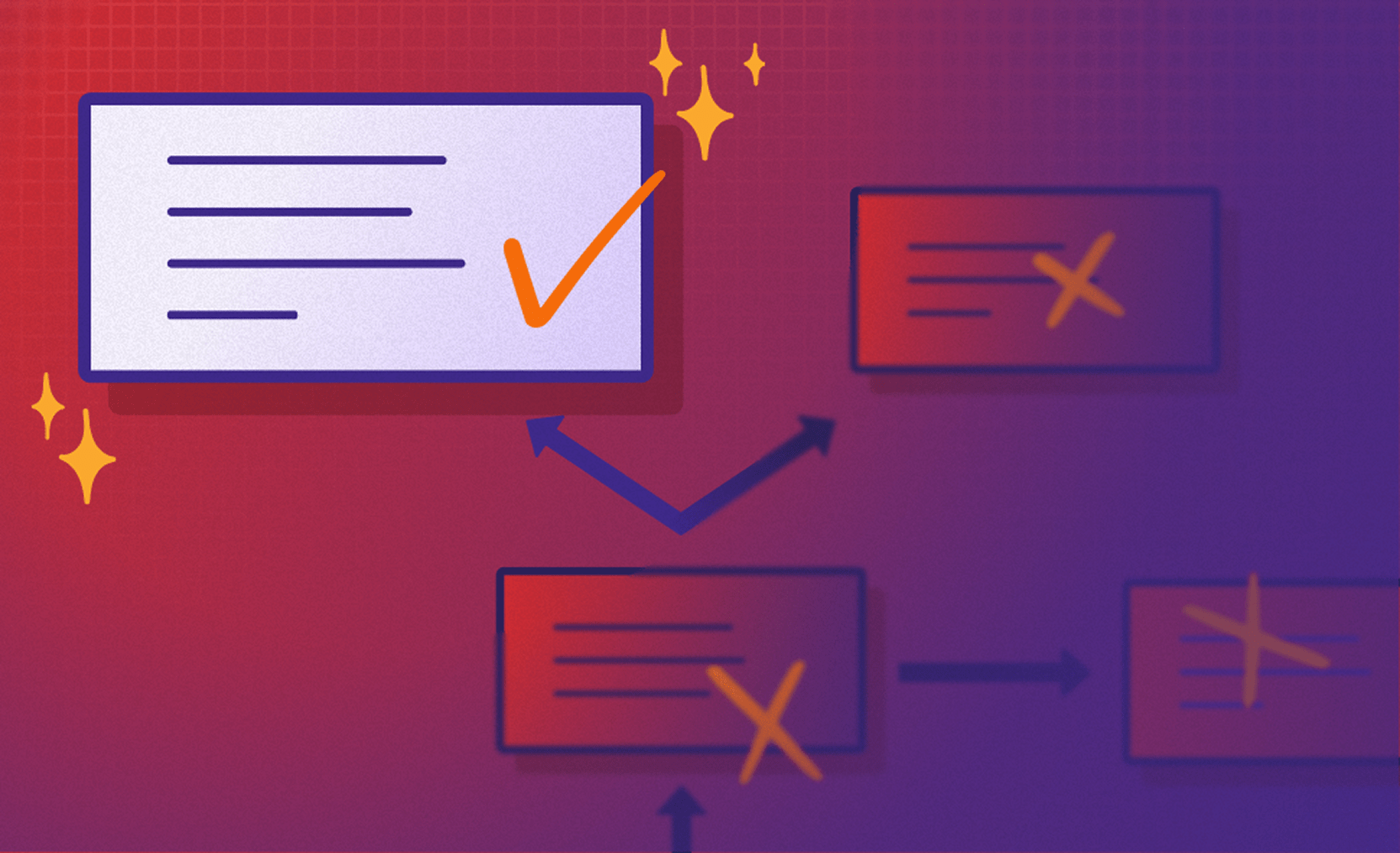
Most integrations move data. They don’t apply judgment. Decision Engine applies institution-specific rules, policies, and approval logic in real time. That means:
-
Enforcing FERPA-compliant data access
-
Validating graduation requirements automatically
-
Applying financial aid disbursement logic
-
Routing exceptions to the right department
Instead of relying on “tribal knowledge” or manual cross-checking between departments, institutions gain consistent, auditable decision-making across workflows.
This is especially critical during enrollment peaks, audit cycles, and end-of-term reconciliation, when manual errors are most likely to occur.
Enrollment is no longer just an admissions function; it’s a competitive advantage.
Decision Engine accelerates time-to-enrolled by orchestrating workflows across:
-
Admissions review
-
Financial aid packaging
-
Tuition billing
-
Registration clearance
When a student completes one step, the next is triggered automatically. When documentation is missing, alerts are routed instantly. When eligibility rules apply, they’re enforced consistently.
Institutions that shorten enrollment cycles build trust earlier and retain students longer.
Most universities, colleges, and training organizations lack the $50M internal development budgets of R1 institutions. At the same time, many are operating in hybrid environments, maintaining legacy SIS platforms while planning or executing multi-year migrations.
Decision Engine acts as a bridge layer between systems. It:
-
Connects legacy and modern platforms
-
Reduces the need for brittle point-to-point integrations
-
Decreases API maintenance overhead
-
Supports phased modernization strategies
For institutions transitioning from PeopleSoft or Banner to Workday Student, Decision Engine can reduce friction during migration and provide continuity in the student experience.
You don’t need to replace everything to move forward.
Fragmented systems make leadership reporting difficult. Data lives in silos. Exceptions are buried in email threads. Decision Engine provides real-time visibility into workflow performance, including:
-
Enrollment bottlenecks
-
Financial aid processing delays
-
Billing reconciliation gaps
-
Registration holds
Instead of reacting to problems after students escalate them, leadership can identify friction points early and act strategically. Better orchestration leads to better decision-making at every level.